
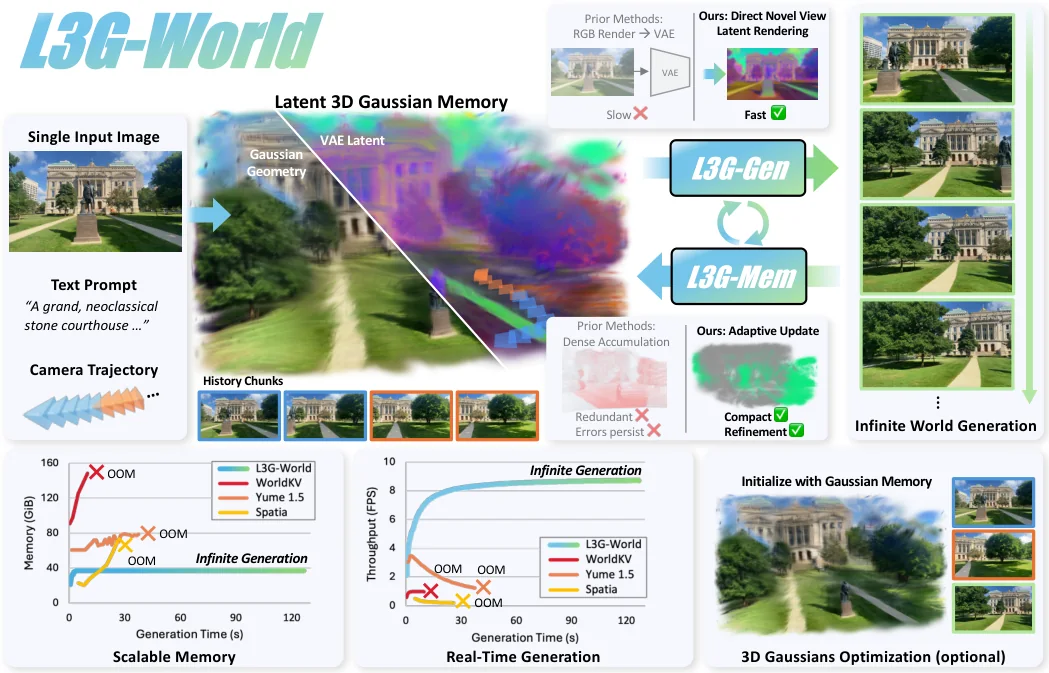
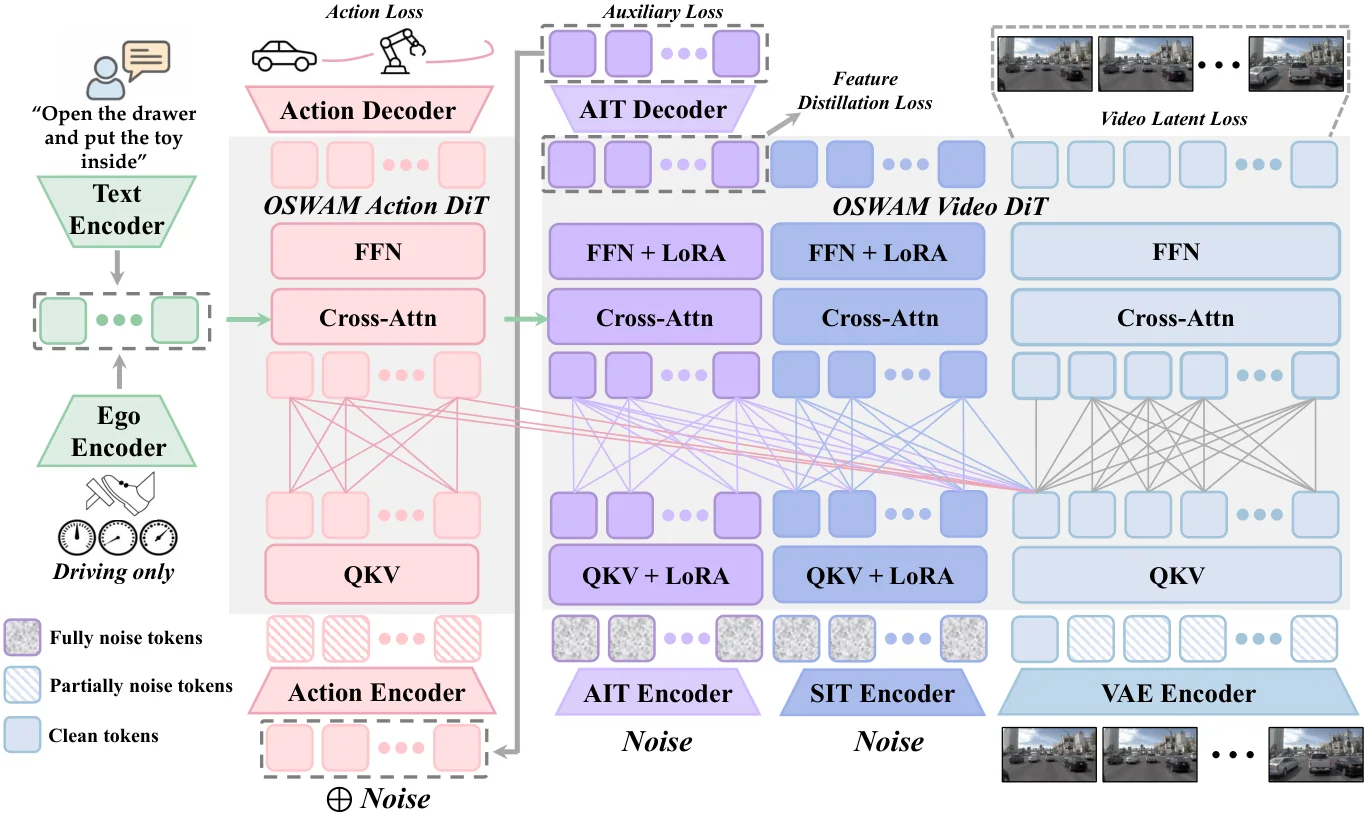
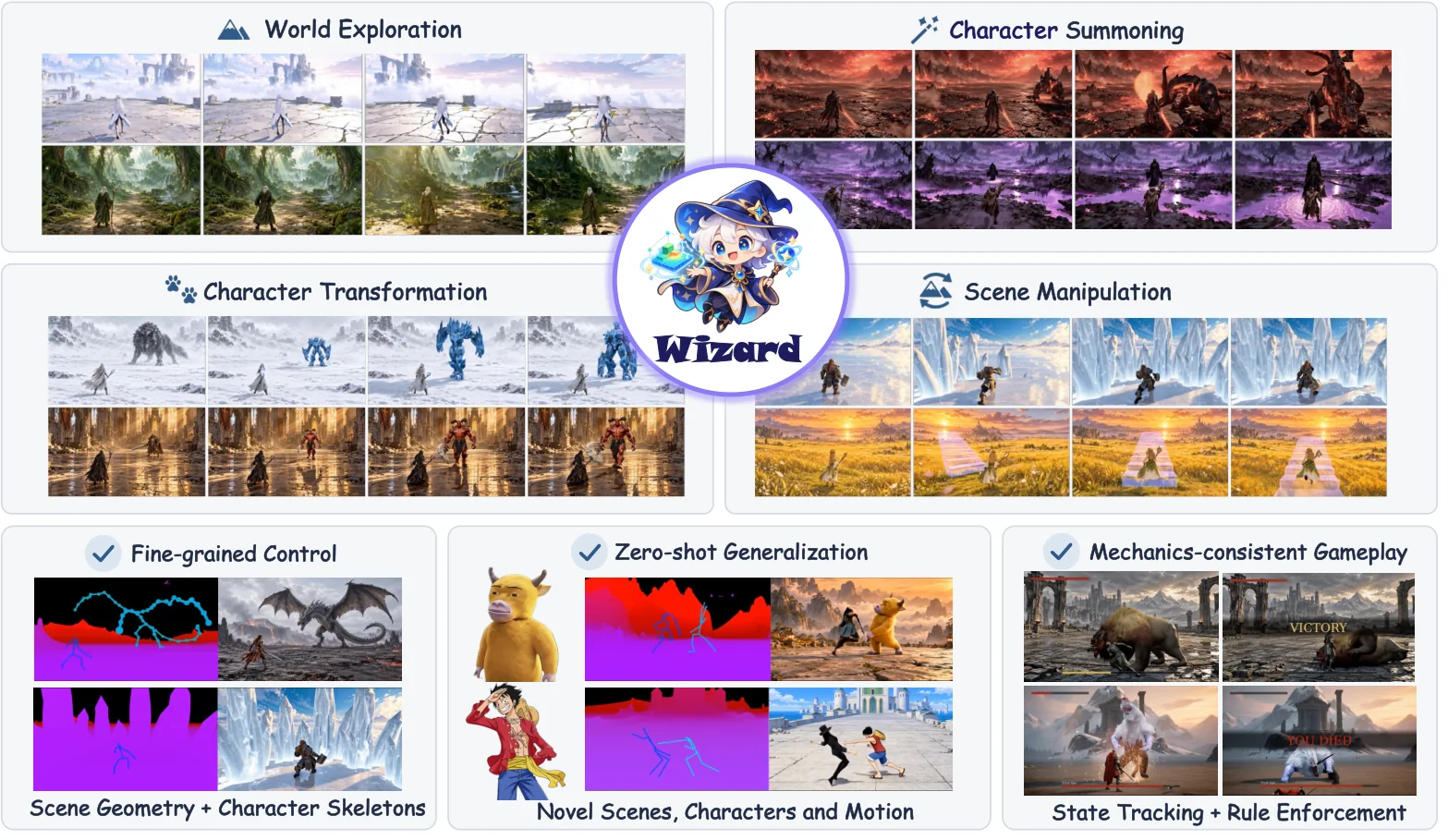
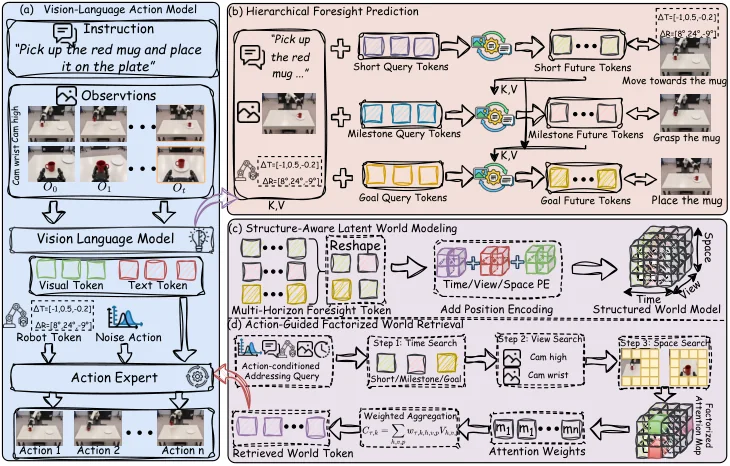
A world model is a learned predictor of how an environment changes when an agent acts. It lets robots, cars and game agents rehearse decisions in imagination instead of paying for them in reality. This explainer covers how the loop of encoding, predicting, evaluating and acting works, the main variants and their trade-offs, and four new papers. L3G-World adds a 3D scene memory, OSWAM cuts action generation to one denoising step, Wizard uses motion proxies for character control, and HiFOR uses predicted futures to guide robot actions. The paper summaries give no benchmark numbers, so how large these gains are remains open.
Research Digest » October 2026 research » Research Explained
Research Explained · October 2026
Research Explained: World models are learning to imagine fast enough to act in real time
A world model lets a machine predict what its actions will do before it takes them. Four new papers target memory, speed and control.
AI agentsComputer visionMultimodal AIRobotics
Super Saver
Keep reading, and get the Explain it Like I'm 12 version
The full article and its Explain it Like I'm 12 version are for Super Saver members. Sign in if you're a member.
Your account doesn't include Super Saver yet. Upgrade to read every issue in full.
Figures from the research
More from October 2026
 Paper of the Month
 Breakthrough 1 of 5
 Breakthrough 2 of 5
Keep exploring this issue
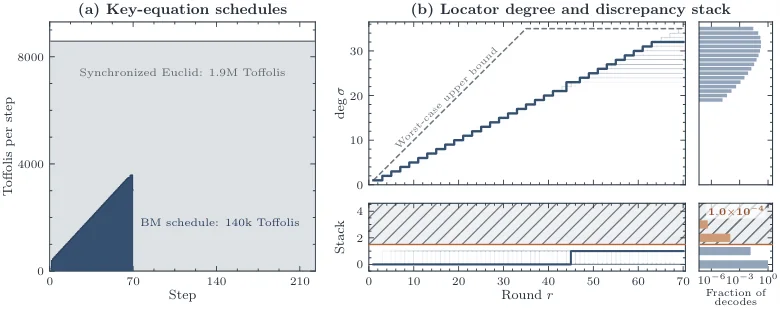
Paper of the MonthLLM-guided search finds cheaper quantum circuits in seven of eight benchmark tasks
A language model proposes circuit designs, a strict classical checker verifies and scores them, and the results beat prior designs while making a previously impractical classical algorithm usable in quantum form.
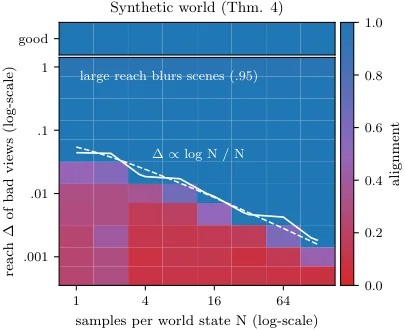
Breakthrough 1 of 5A theorem for the Platonic Representation Hypothesis points to positive pairs, not scale
Balestriero and LeCun prove when separately trained JEPAs learn matching representations, then show a 109M-parameter text model aligning with vision better than a 72B language model.
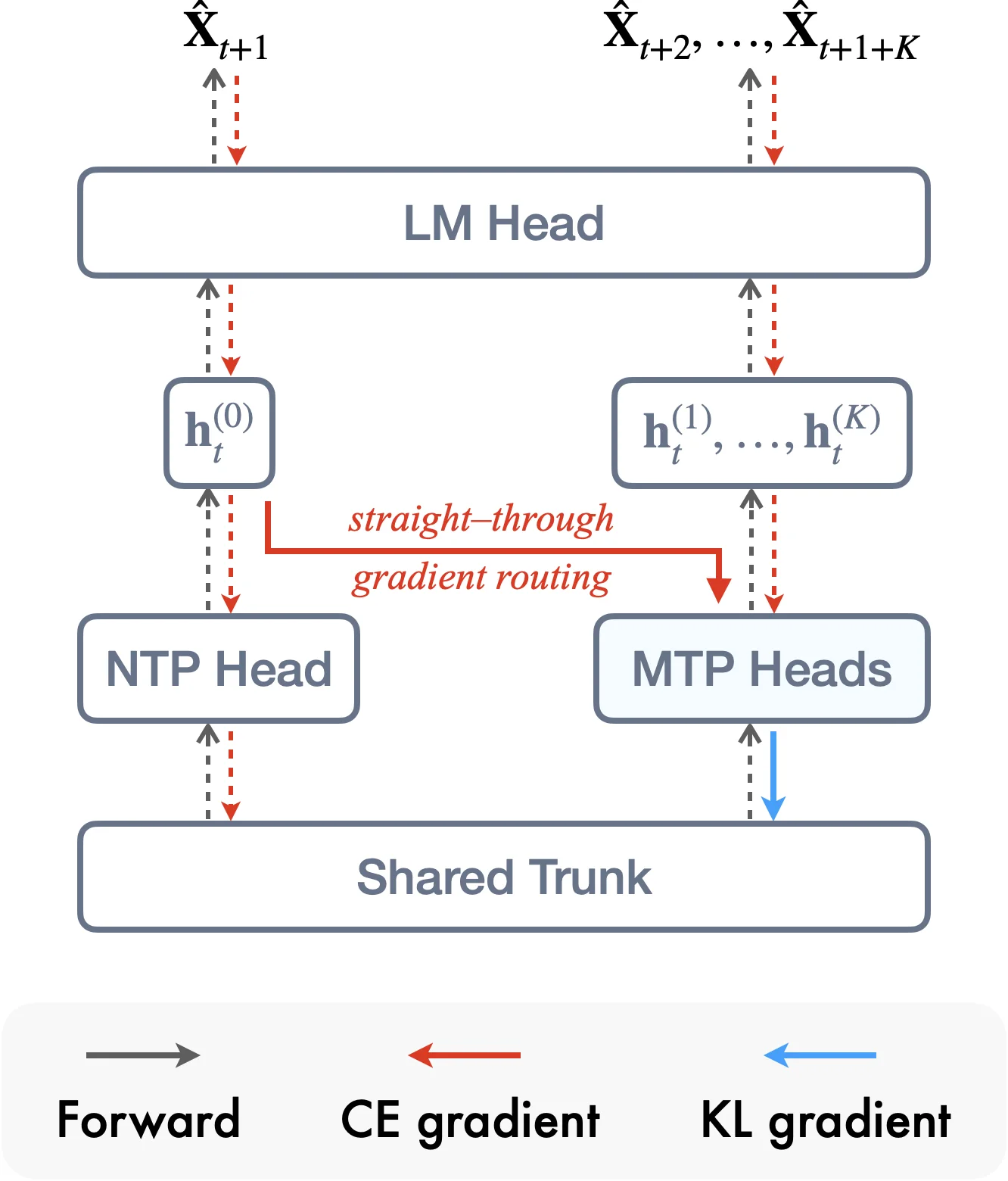
Breakthrough 2 of 5Soft-MTP: a one-line change strips noise out of multi-token prediction training
A new preprint finds that the standard way of training multi-token prediction heads hides a noisy gradient term. Removing it improved perplexity, speculative decoding and reasoning at no measurable extra cost.