
Where AI research moved this month
Six of the seven tracked fields grew in arXiv submissions this month, led by AI agents (up 24.3%) and large language models (up 14.9%), while machine learning systems was the only field to decline, down 13.9%. AI agents appeared as a tagged topic in every field, from video generation and robotics to multimodal coding benchmarks.
LLM submissions up 14.9%, with agents the most-tagged topic
arXiv submissions matched to large language models rose 14.9%, from 2,894 to 3,326. Among the 149 signal papers, AI agents was the most frequent topic (27 papers), followed by AI research, AI safety, and applications in education and healthcare. The leading titles ranged from using LLMs to discover quantum circuits to efficiency work on certificate-guided visual routing in diffusion VLMs and exact state forking for decision inference.
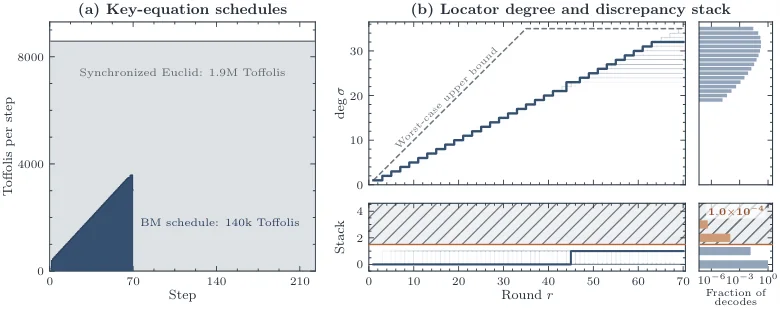 Discovering state-of-the-art quantum circuits with large language models
 Look Only When Needed: Certificate-Guided Visual Routing for Efficient Diffusion VLMs
 Flide: Accelerating Decision Inference with Exact State Forking
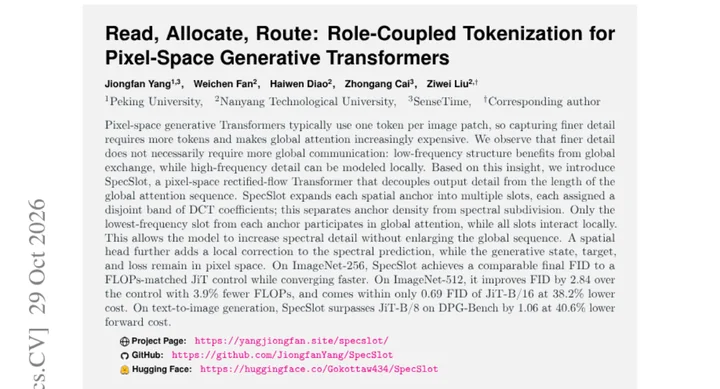 Read, Allocate, Route: Role-Coupled Tokenization for Pixel-Space Generative Transformers
Computer vision up 10.0%, with video generation in focus
Computer vision submissions grew 10.0%, from 3,654 to 4,018. AI agents and Qwen Image 2.1 were the most frequent topics among the 119 signal papers, with 8 each. The top titles leaned toward video generation: Wave Forcing on streaming video generation, FrameForge on using video foundation model priors for unified image generation, and a paper linking video generation with agent harnesses and world modeling.
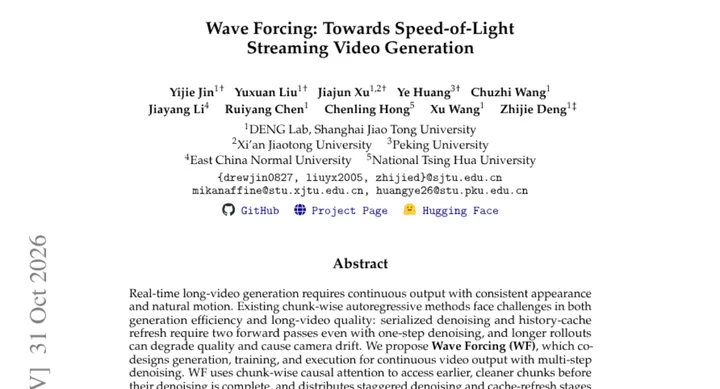 Wave Forcing: Towards Speed-of-Light Streaming Video Generation
Look Only When Needed: Certificate-Guided Visual Routing for Efficient Diffusion VLMs
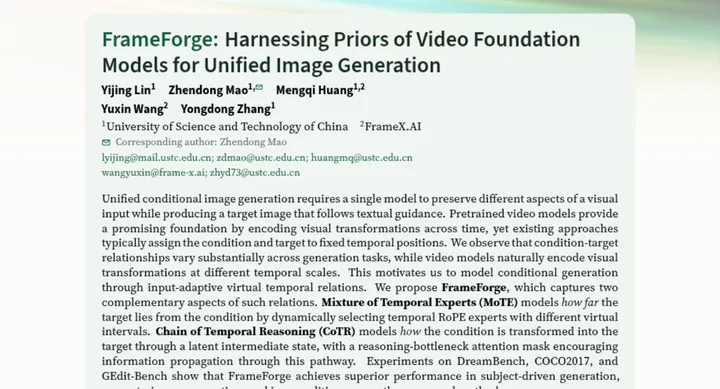 FrameForge: Harnessing Priors of Video Foundation Models for Unified Image Generation
 Video Generation Meets Agent Harness: Agentic Video Generation, Agentic World Modeling and Recursive Self-Improvement
Robotics roughly flat at 2.5%, centered on embodied agent control
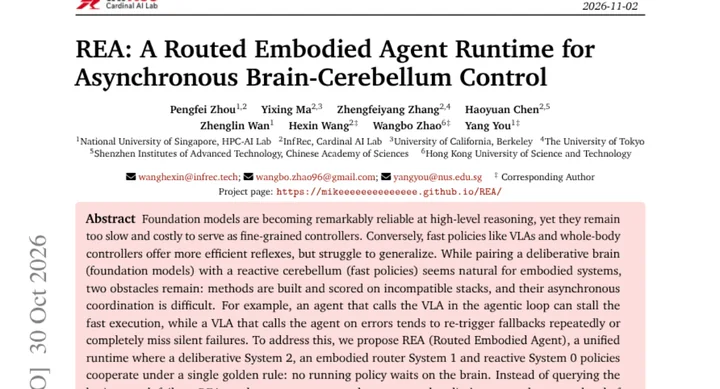
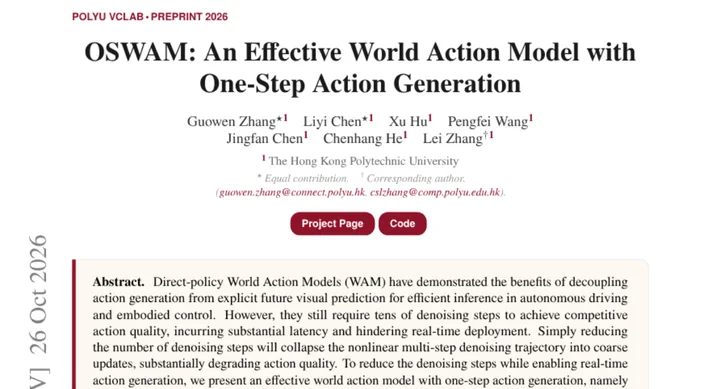
Robotics submissions edged up 2.5%, from 2,191 to 2,245. Among the 40 signal papers, AI in Robotics (7) and AI agents (4) led, with smaller clusters on sensorimotor alignment, sparse autoencoders and vision-language-action models. Top titles covered control architectures and policies: REA, a routed runtime for asynchronous brain-cerebellum control; OSWAM, a world action model with one-step action generation; and CaPtain, a pipeline for post-training code-as-policy robot agents.
AI agents post the month's largest gain, up 24.3%
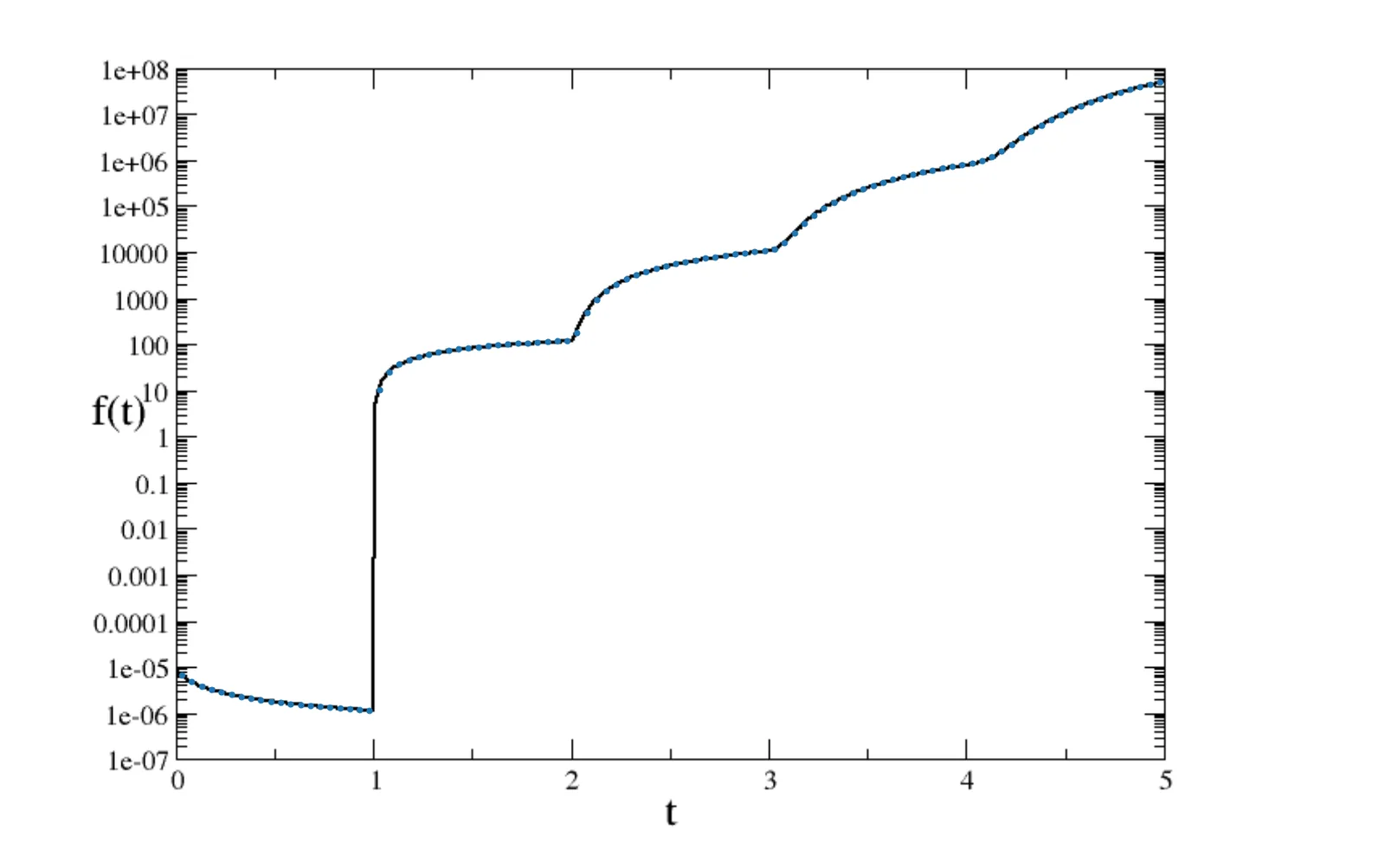
Submissions matched to AI agents rose 24.3%, from 2,677 to 3,327, the largest increase of any field. The AI agents topic accounted for 58 of the 129 signal papers, followed by AI engineering workflows (7) and multi-agent systems (5). Top titles included TheoPhysEval, which assesses agents on autonomous theoretical physics problem solving, and a paper titled "A team of Gemini 4 Argon agents beats Minecraft."
 TheoPhysEval: Assessing AI agents at autonomous theoretical physics problem solving
Video Generation Meets Agent Harness: Agentic Video Generation, Agentic World Modeling and Recursive Self-Improvement
A team of Gemini 4 Argon agents beats Minecraft
Flide: Accelerating Decision Inference with Exact State Forking
AI safety edges up 3.3%, with work on representations and data
AI safety submissions grew 3.3%, from 3,048 to 3,149. Among the 60 signal papers, the AI safety topic led with 8, followed by AI agents and adversarial attacks with 3 each. Top titles included "Follow the Gradient," which traces safety degradation back to training data, two papers engaging with the Platonic Representation Hypothesis, and WeFair on fidelity-aware alignment from human feedback for query rewriting in short-video search.
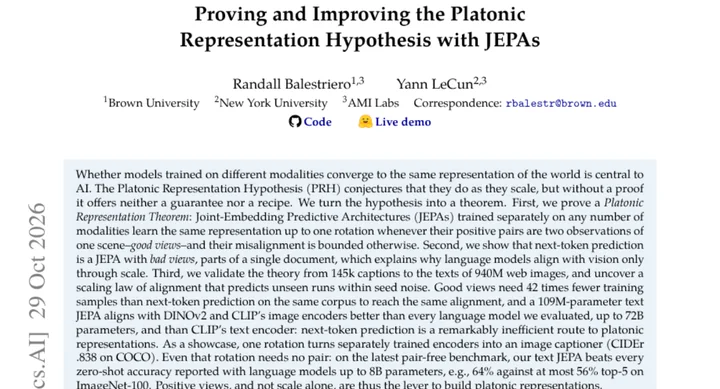 Proving and Improving the Platonic Representation Hypothesis with JEPAs
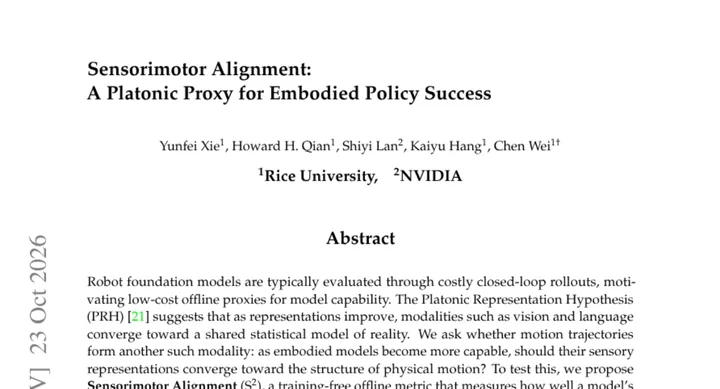 Sensorimotor Alignment: A Platonic Proxy for Embodied Policy Success
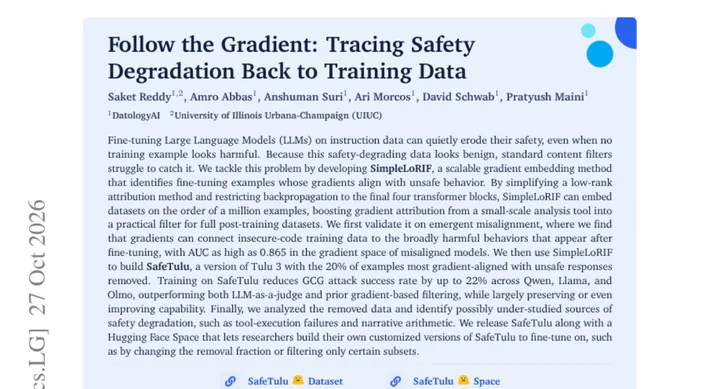 Follow the Gradient: Tracing Safety Degradation Back to Training Data
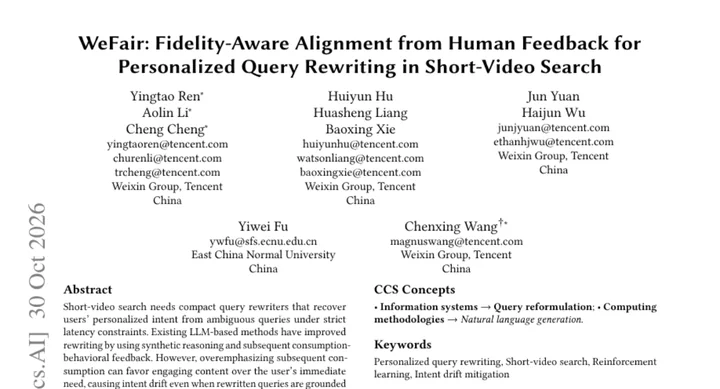 WeFair: Fidelity-Aware Alignment from Human Feedback for Personalized Query Rewriting in Short-Video Search
Multimodal AI up 3.5%, with efficiency and self-improvement work
Multimodal AI submissions rose 3.5%, from 1,584 to 1,640. AI agents (5) and vision-language models (4) were the most frequent topics among the 68 signal papers. Top titles covered certificate-guided visual routing for efficient diffusion VLMs, A-RSI on zero-data multimodal self-improvement, and Co-Design Bench for evaluating multimodal collaborative coding by agentic models.
Look Only When Needed: Certificate-Guided Visual Routing for Efficient Diffusion VLMs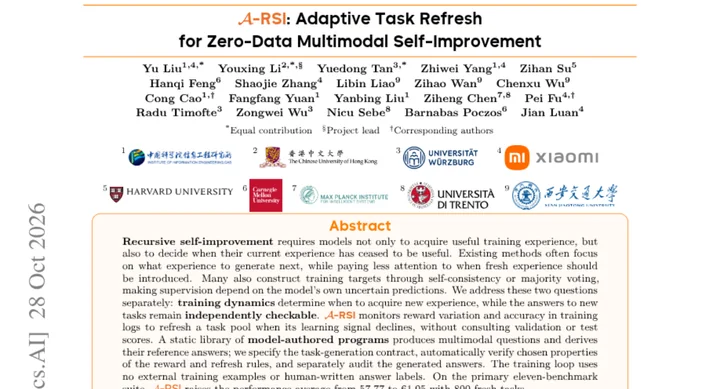 A-RSI: Adaptive Task Refresh for Zero-Data Multimodal Self-Improvement
 Co-Design Bench: Multimodal Collaborative Coding Evaluation for Agentic Models
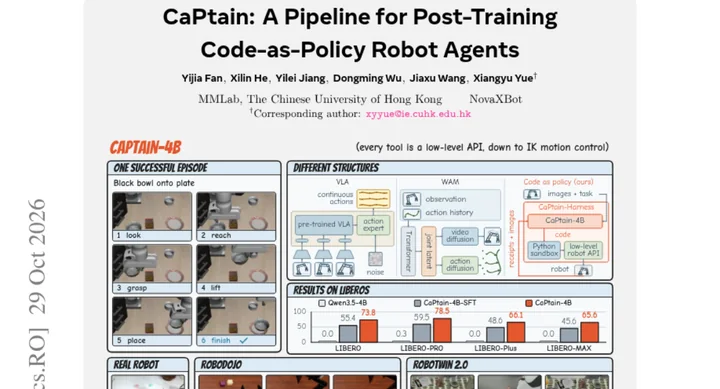 CaPtain: A Pipeline for Post-Training Code-as-Policy Robot Agents
ML systems the only field to decline, down 13.9%
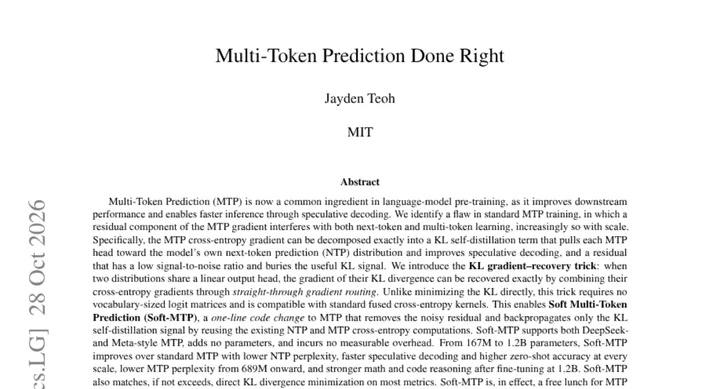
Machine learning systems submissions fell 13.9%, from 287 to 247, the only decline among the tracked fields. Topics across the 40 signal papers were thinly spread, with none tagged more than three times. The top titles centered on generation and inference speed, including Wave Forcing for streaming video generation, Flide on exact state forking for decision inference, and "Multi-Token Prediction Done Right."
Volumes are arXiv submissions in the calendar month matching each field's category query; topics and top papers come from the papers Signal tracked (arXiv, Hugging Face daily papers, Emergent Mind).